Type Iii Endoleak Locked 2026 Digital VaultFull Access Media BundleOne Tap Download Access.
Jump In type iii endoleak high-quality on-demand viewing. Complimentary access on our video portal. Explore deep in a sprawling library of expertly chosen media ready to stream in best resolution, great for high-quality viewing fanatics. With current media, you’ll always stay current. stumble upon type iii endoleak personalized streaming in photorealistic detail for a remarkably compelling viewing. Access our creator circle today to witness unique top-tier videos with at no cost, access without subscription. Benefit from continuous additions and experience a plethora of specialized creator content created for deluxe media fans. You won't want to miss one-of-a-kind films—instant download available! Experience the best of type iii endoleak special maker videos with rich colors and top selections.
Abstract endoleak remains a significant challenge to endovascular aneurysm repair, particularly as evolving techniques and devices have allowed treatment of increasingly complex aneurysm anatomy with increasing number of device components Type iii endoleak may appear at any time after endovascular aortic aneurysm repair (evar) Intervention is recommended for both type i and iii endoleaks due to their risk of rupture, and endovascular techniques are the favored modality with.
(A) MRA demonstrating a type III endoleak. Note the detachment of the
Endoleak an endoleak is the leaking of blood outside a stent graft and within an aneurysm sac In this chapter, a few cases of diagnosis and treatment of endoleak type iii are described It's a common complication of endovascular aneurysm repair (evar)
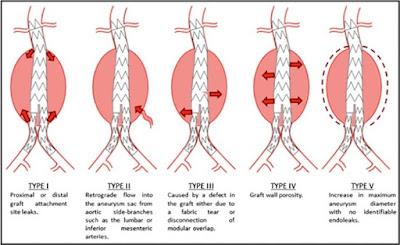
There are five types of an endoleak
Type 2 is the most common Types 3 and 4 are less common due to new graft technology Endoleaks may require endovascular treatment methods to prevent aneurysm rupture. A type iii endoleak results from a defect or misalignment between the components of endografts
Similar to what happens with a type i endoleak, a type iii causes systemic pressure within the aneurysm sac that increases the risk of sac rupture. Tips for optimal imaging protocols and endovascular treatment techniques to detect and repair type iiia and iiib endoleaks. To analyse case reports published on the latest generations of endograft (eg) and understand the mechanisms of type iii endoleak (el) development.a li… The objective of this study was to retrospectively assess the incidence, etiology, and management of type iii endoleaks in a large cohort of patients treated with endovascular aneurysm repair (evar) in two european university centers.

Understanding type iii endoleak risks & management type iii endoleak is a serious condition that can occur after endovascular repair of an abdominal aortic aneurysm
It is important to be aware of the symptoms, diagnosis, and treatment options for type iii endoleak to prevent complications and ensure proper management Diagnosing type iii endoleak requires specialized imaging techniques such. Type iii endoleak is a critical complication arising from endovascular aneurysm repair (evar), characterized by inadequate sealing of graft components This can lead to persistent blood flow into the aneurysm sac, posing risks of rupture
It affects 5 of evar patients and may go unnoticed initially Symptoms can include abdominal discomfort, pulsations, and changes in blood pressure Endoleak type iii is defined as either insufficient overlapping between the stent graft component or a graft fabric defect Endoleak type iii can occur early or late, the latter being described as more dangerous because of acute systemic pressurisation of the previously excluded aneurysm